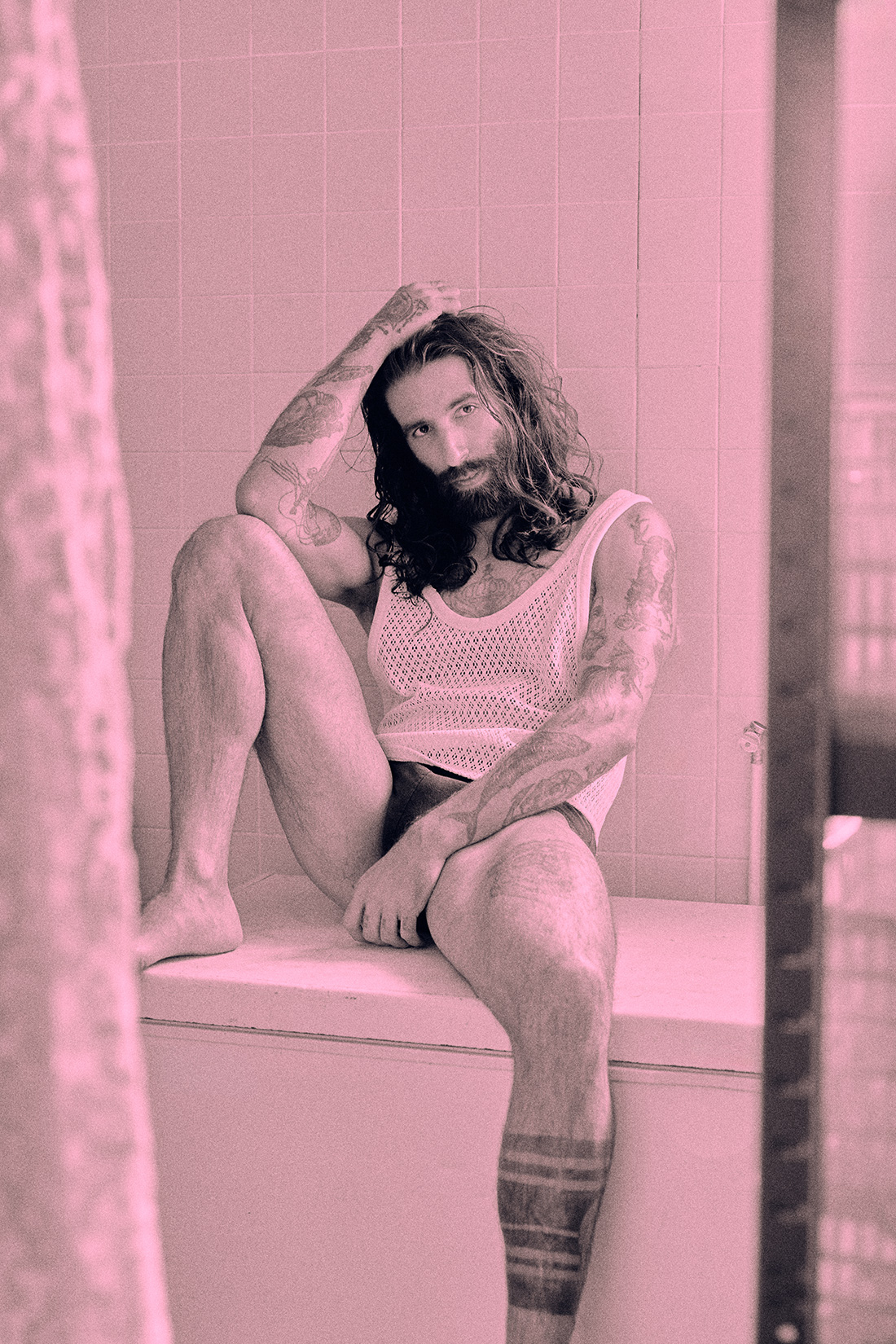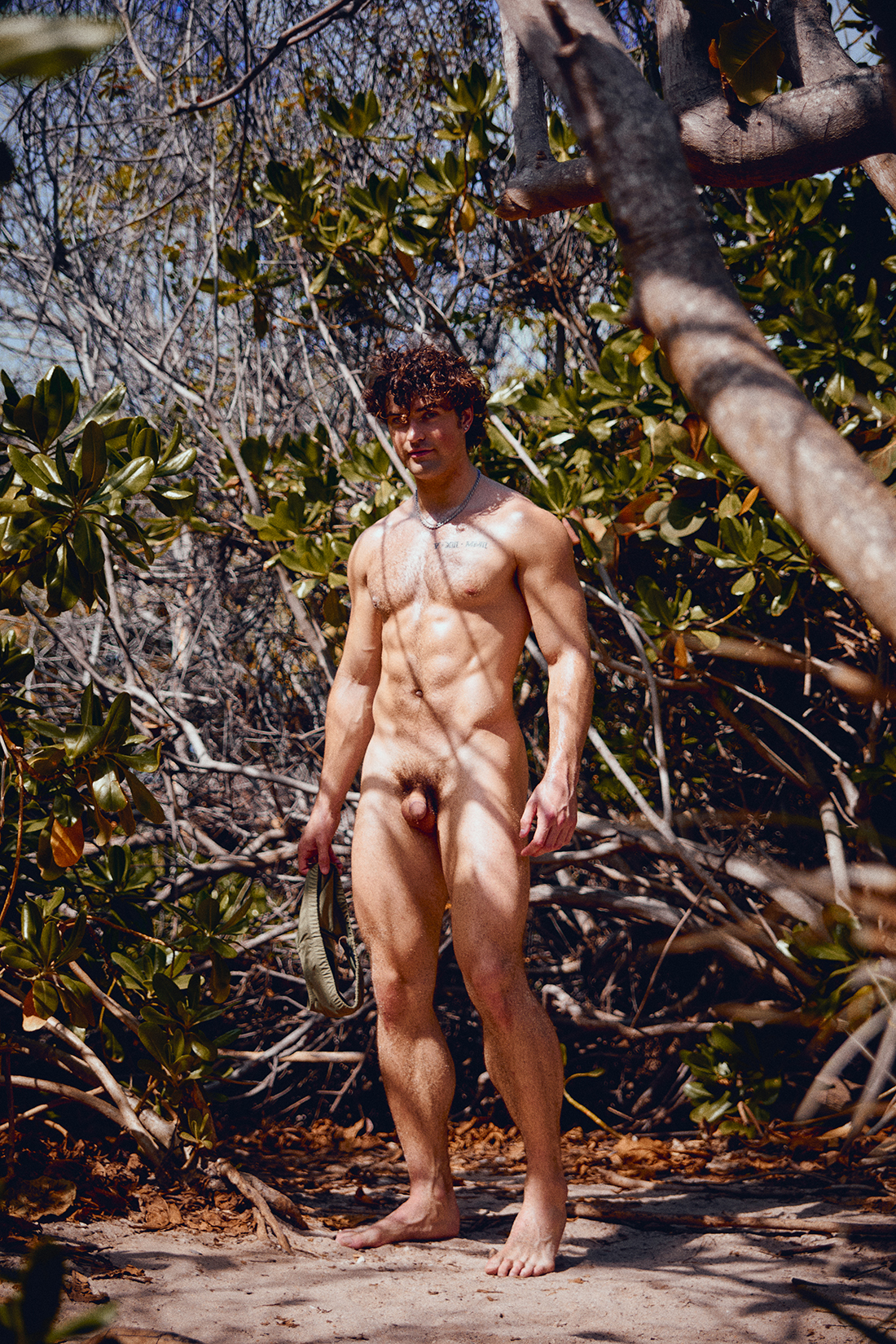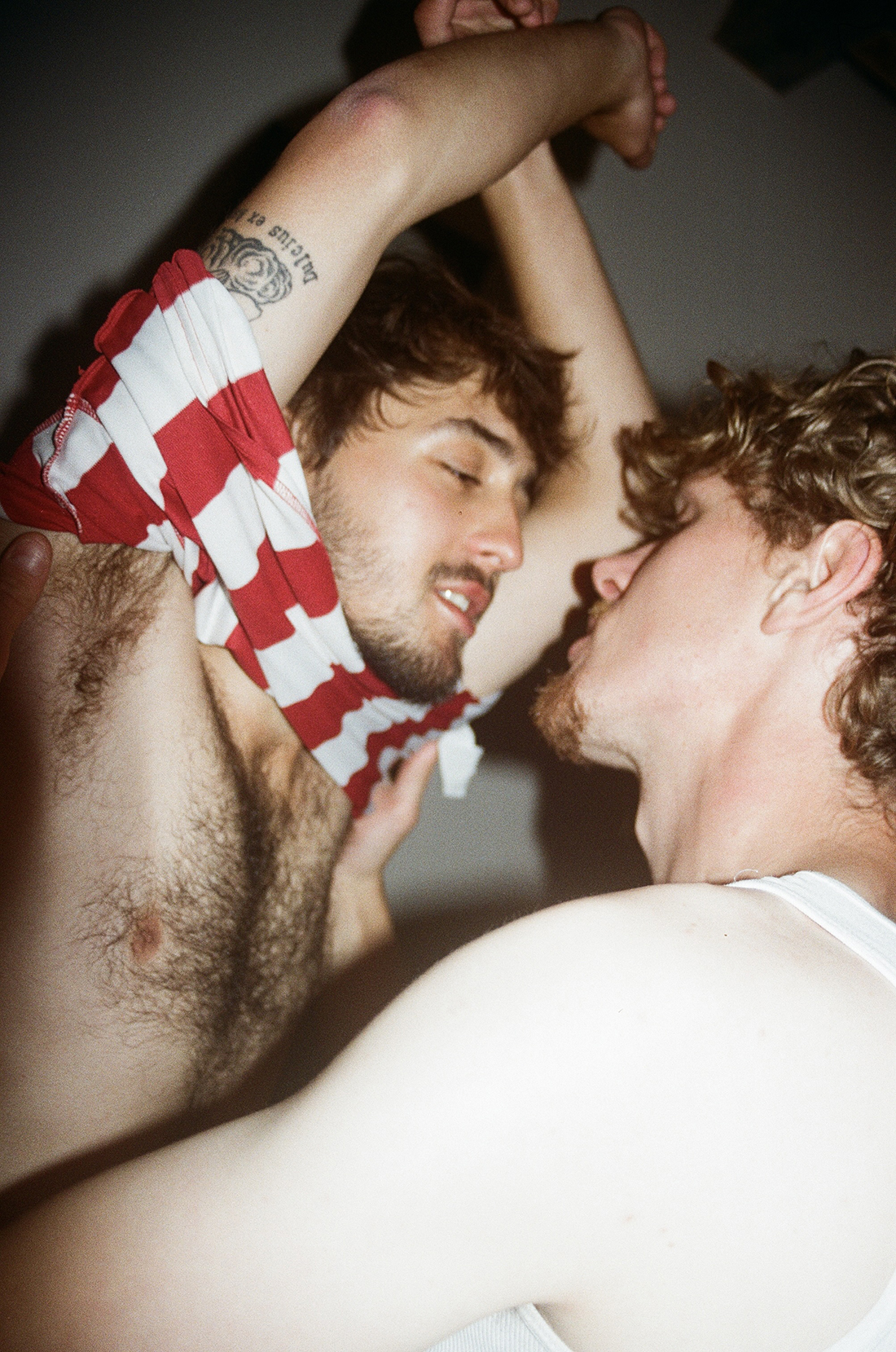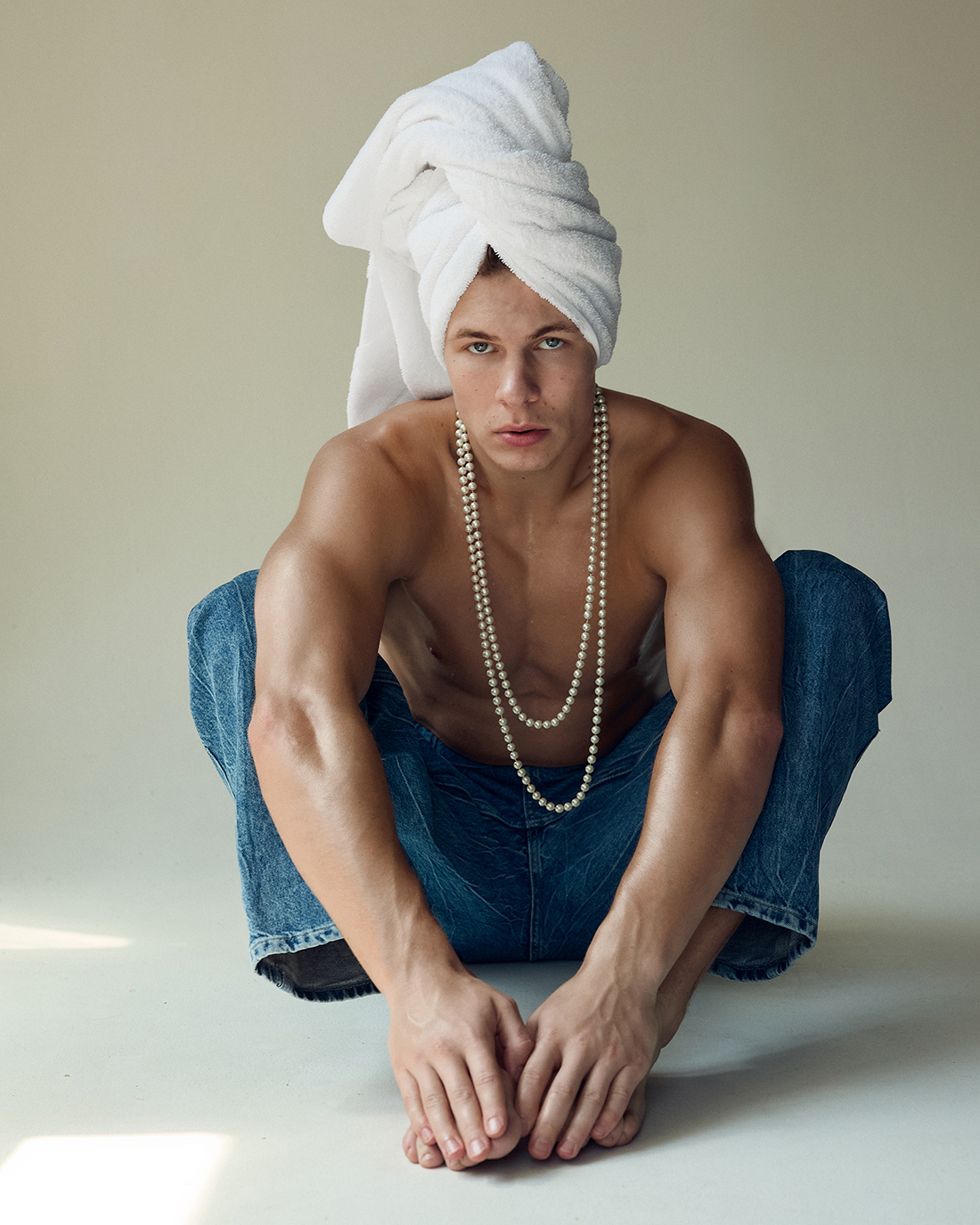
It started as a hobby, but turned into something serious! Daily eye candy from a Venezuelan photographer Eduardo Fermin, who eventually settled in the US.

Could we start with some background information about you? Where you grow up, where you based, how did you get interested in photography?
I was born in Caracas, Venezuela, and I spent my entire childhood and teenage years there. Later, I lived in Buenos Aires, Argentina, then returned to Venezuela, spent some time in Mexico and Chile, and eventually went back to Venezuela again. Due to political reasons, I had to leave the country. I’ve always been deeply interested in the arts. I studied film arts back home, specializing in screenwriting, but for many years I worked mainly as a theater producer. When I moved to New York, in my free time I would simply walk around the city taking photos with my cellphone. I started getting very positive feedback – so much so that even photographers would ask me, “What camera are you using?” That’s when I realized I had discovered a new passion.


Born in Venezuela but working in the USA. How difficult was it to adapt to a new country?
As I mentioned, I had already lived in other countries, but this was the first time I lived somewhere where a different language was spoken. That said, New York is so multicultural that language was never really a problem. Plus, New York has that strange familiarity we’ve seen it so many times in movies and TV shows that it already feels known. Of course, real life isn’t like the movies (laughs). Sometimes it’s tougher. But it’s still incredibly charming, and I’m deeply grateful to be here at this stage of my life.


Did you always know photography was your ultimate go – to outlet of expression?
Not at all. Honestly, I never imagined it. It started as a hobby, but during the pandemic I had to make some big decisions, and one of them was turning photography into my full – time job. I put all my focus and energy into it. I believe life is circumstantial. Photography will always be a way for me to communicate, but so will writing – and maybe one day I’ll return to theater. What I know for sure is that art is my way of seeing life and expressing myself.
There is always time and learning for someone to find their own style. That you remember back, was something of a turning point from your photos are started to be “Eduardo Fermin” photography”?
Some people see it – I don’t (laughs). In fact, when I feel something is too Eduardo Fermín, I start feeling repetitive and that creates conflict for me. But about three years ago, someone sent me a few photos and said, “This is definitely yours.” The photos didn’t even have my signature, yet that person recognized them immediately. That really surprised me.


What is the best thing to being a photographer?
There are many great things. One is capturing a moment in life that will never happen again. Unlike theater, which is ephemeral, photography stays – it leaves a memory. Being part of someone’s personal history is beautiful. Someone will always remember who took that photo. In that sense, I’m no longer so fleeting. Another great aspect is constantly being in contact with different people. And of course, learning to see differently – to appreciate light, details – changes how you experience life. You start looking at the world through another lens, and that’s a real gift.
Who have been your biggest influences in your career?
Without a doubt, cinema. I remember in college we were once assigned to tell a story using only eight photos. I think that exercise marked my entire existence.
I love going to museums and looking at paintings. I admire photographers like Peter Lindbergh, Vivian Maier, Mario Testino, and Annie Leibovitz. I also love reading. In the end, it’s a mix of all of that. When you’re an artist, your main nourishment is art. Everything I consume inspires me everything lives inside me.

You are equally comfortable shooting in the studio and capturing scenes at home. Which do you prefer, or what is good about each?
I’d love to explore shooting more in homes, but New York is a complex city when it comes to space. Who knows – maybe in the future I’ll move somewhere that allows me to work more in domestic spaces and create more cinematic scenes. That said, the intimacy of the studio is incredible. It’s a real test – just you, the model, and the camera between you.


Many models find it difficult to choose good photographers. What advice would you give them on how to choose a photographer?
It’s hard to teach discernment when everything looks like an opportunity. Discernment comes from being present in your life and knowing what you like and what truly works for what you want to achieve. Today, exposure often matters more than quality. Many people choose photographers based on followers and likes rather than the actual work. That’s the danger of consuming everything – you lose the ability to distinguish what’s truly good. There are photographers I recognize as great, even if I don’t personally like their style. That clarity matters. My advice is simple: be honest with yourself.
Look at the work and ask, “Do I really like this? Would I want a photo like this in my life?”


Your work often carries an erotic charge. Can we talk about erotic photography and how you arrived there?
Of course. It happened during a photoshoot when the model suddenly got completely naked – and I froze. I was terrified of creating something vulgar. So I went back to my theater roots. I used to do comedy, and I was always very careful that it never felt cheap. I trusted myself, and those first photos became a turning point in my professional life. After that, many models approached me for this type of work. I enjoy it a lot, but I prefer combining it – doing street photography or fashion first, and then moving into nudity. I don’t like focusing solely on nakedness. For me, the secret of erotic photography is where the model places their gaze. And of course, in this era where OnlyFans is very strong, I’ve worked with many creators – but I don’t like to limit myself. As an artist, I want to remain broad, open, and diverse.

If you could tell your younger self one piece of advice what would it be?
I’d tell myself to take better care of my time – how I spend it and with whom. And to be more present. To truly live each moment instead of having my mind somewhere else. It’s something I understand now and remind myself of every day, because it’s easy to forget the small, great details of life. And I’d tell myself this: see yourself as your own savior. That’s advice I’d give myself – or anyone.


What do you do when you got time for yourself?
Read, read, and read (laughs). I love reading. I love cooking, going to the movies, walking. I’m very easy to entertain – I’m never bored. I always have a book with me, or something to do. I love sitting in a park watching people pass by, or watching the sunset. I don’t need to be surrounded by people. I love being alone and contemplating life. That, for me, is the greatest pleasure – and having the time to do it is a true blessing.
Please finish the sentences:
Deeply in love with … God, life, art, love,
The best way to sleep is … Owing nothing to anyone and feeling grateful.
My dream is … To have a peaceful life. No matter what I’m doing or where I am – just to feel inner peace


Photographed by Eduardo Fermin @eduardoferminphotonyc / www.eduardoferminphoto.com / x.com/content_nyc / onlyfans.com/content_nyc


Be the first to see and hear about discounts, extras and updates! Sign up for Pineapple’s newletter here: